//users/16598d34-4d8e-46ce-b49f-c29659a02b60/ratecard/image12-mauj5upu.jpg)
%2Ffit-in%2F300x300%2Fusers%2F16598d34-4d8e-46ce-b49f-c29659a02b60%2Fratecard%2Fimage12-mauj5upu.jpg&w=256&q=75)
%2Ffilters%3Aformat(webp)%2F300x300%2Fd7fa7c4e-fcdc-41c6-a3cb-99bd1ed6b9f0%2Freport%2Fsocial%2Fimages%2Freport%2Frainbow-trout-fishing-voss-river-9964.png&w=256&q=75)
%2Ffilters%3Aformat(webp)%2F300x300%2Fd7fa7c4e-fcdc-41c6-a3cb-99bd1ed6b9f0%2Freport%2Fsocial%2Fimages%2Freport%2Fnorthern-pike-fishing-voss-lake-8020.png&w=256&q=75)
%2Ffilters%3Aformat(webp)%2F300x300%2Fd7fa7c4e-fcdc-41c6-a3cb-99bd1ed6b9f0%2Freport%2Fsocial%2Fimages%2Freport%2Fexciting-fishing-catch-voss-adventure-8553.png&w=256&q=75)
%2Ffilters%3Aformat(webp)%2F300x300%2Fd7fa7c4e-fcdc-41c6-a3cb-99bd1ed6b9f0%2Freport%2Fsocial%2Fimages%2Freport%2Fchild-fishing-catch-voss-adventure-9274.png&w=256&q=75)
Reel in the Thrill: Private Full-Day Bass Fishing Trip

 Voss, TX
What you will be catching:
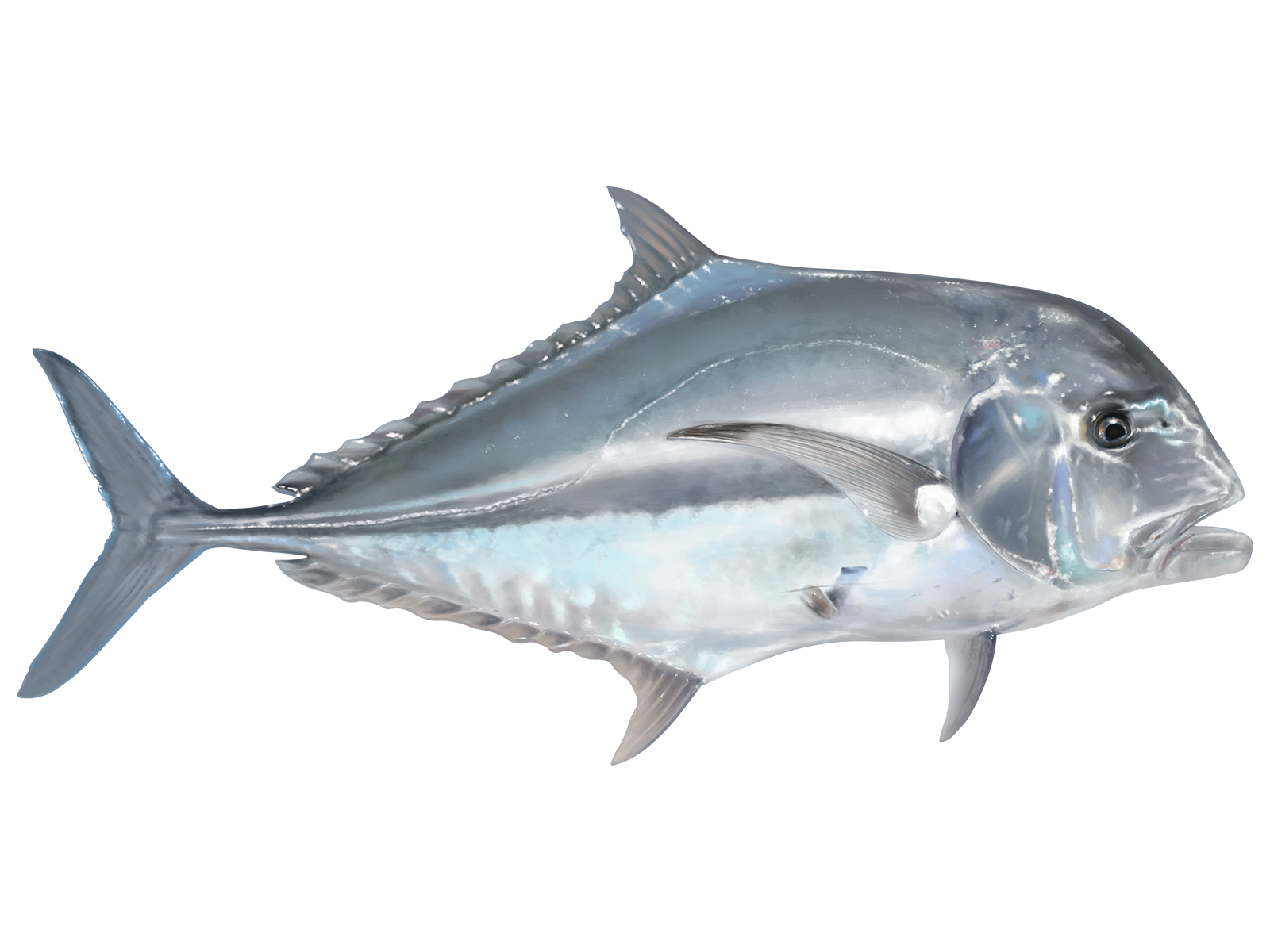 African Pompano
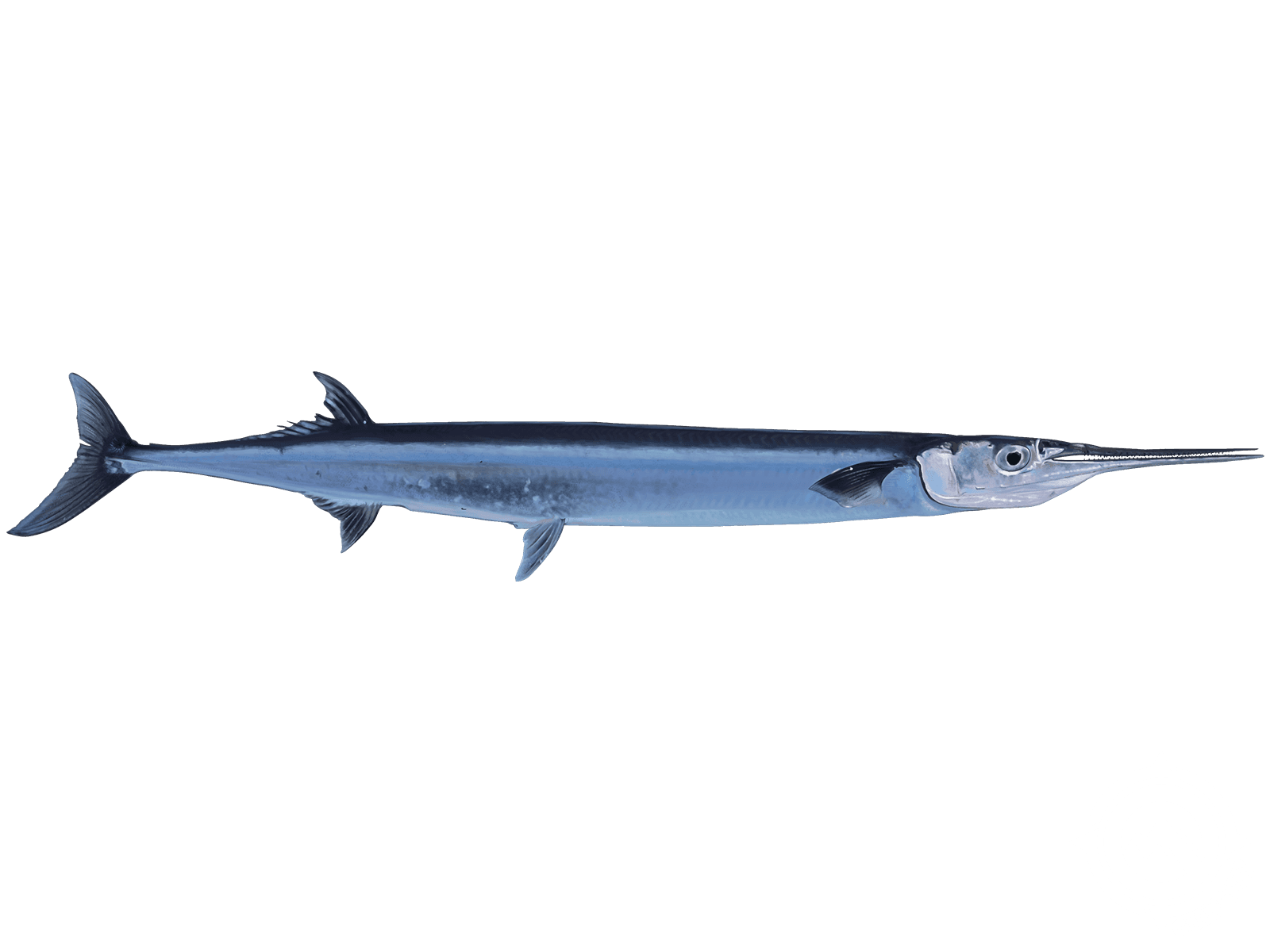
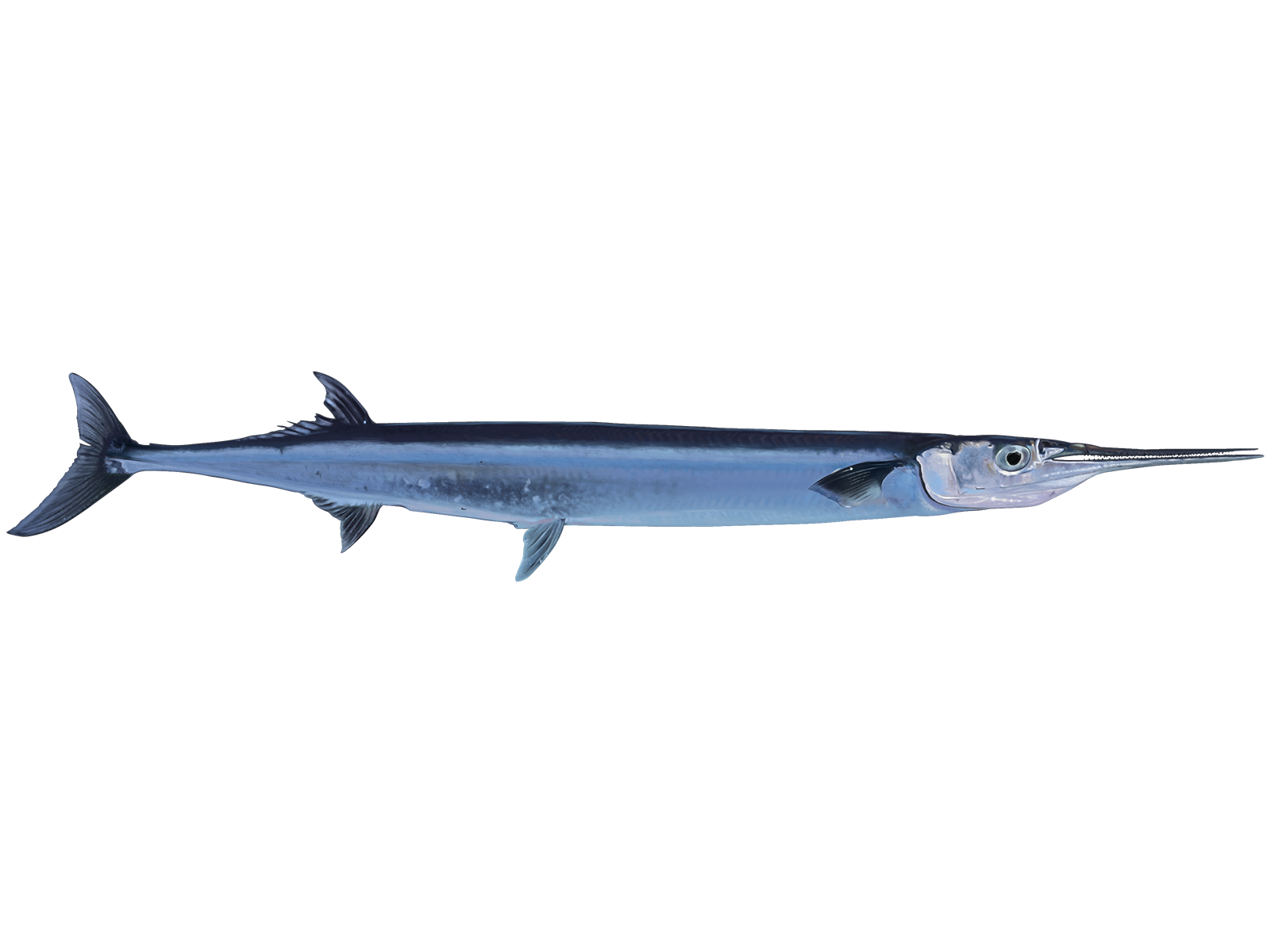 Agujon Needlefish
 Albacore Tuna
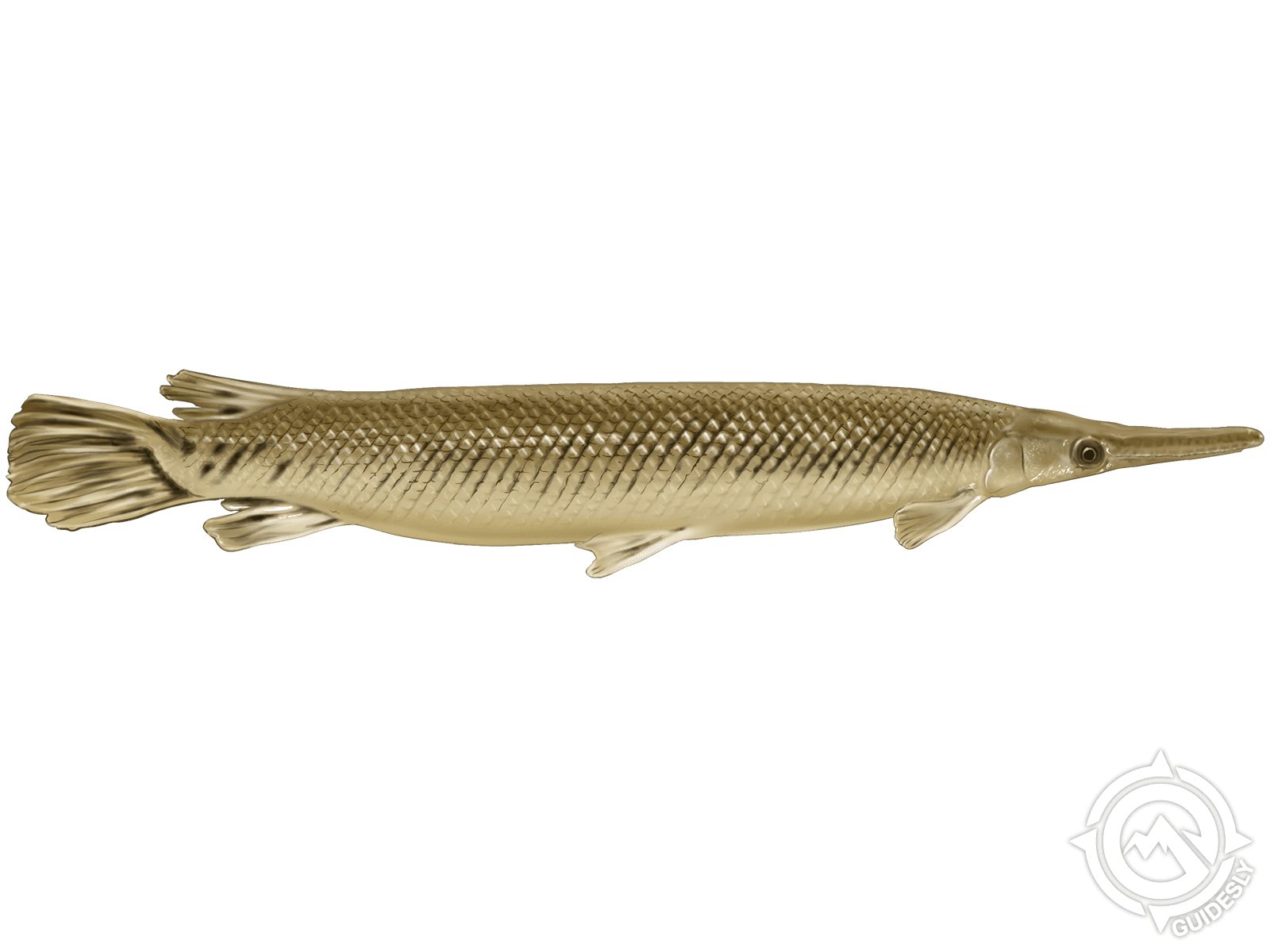
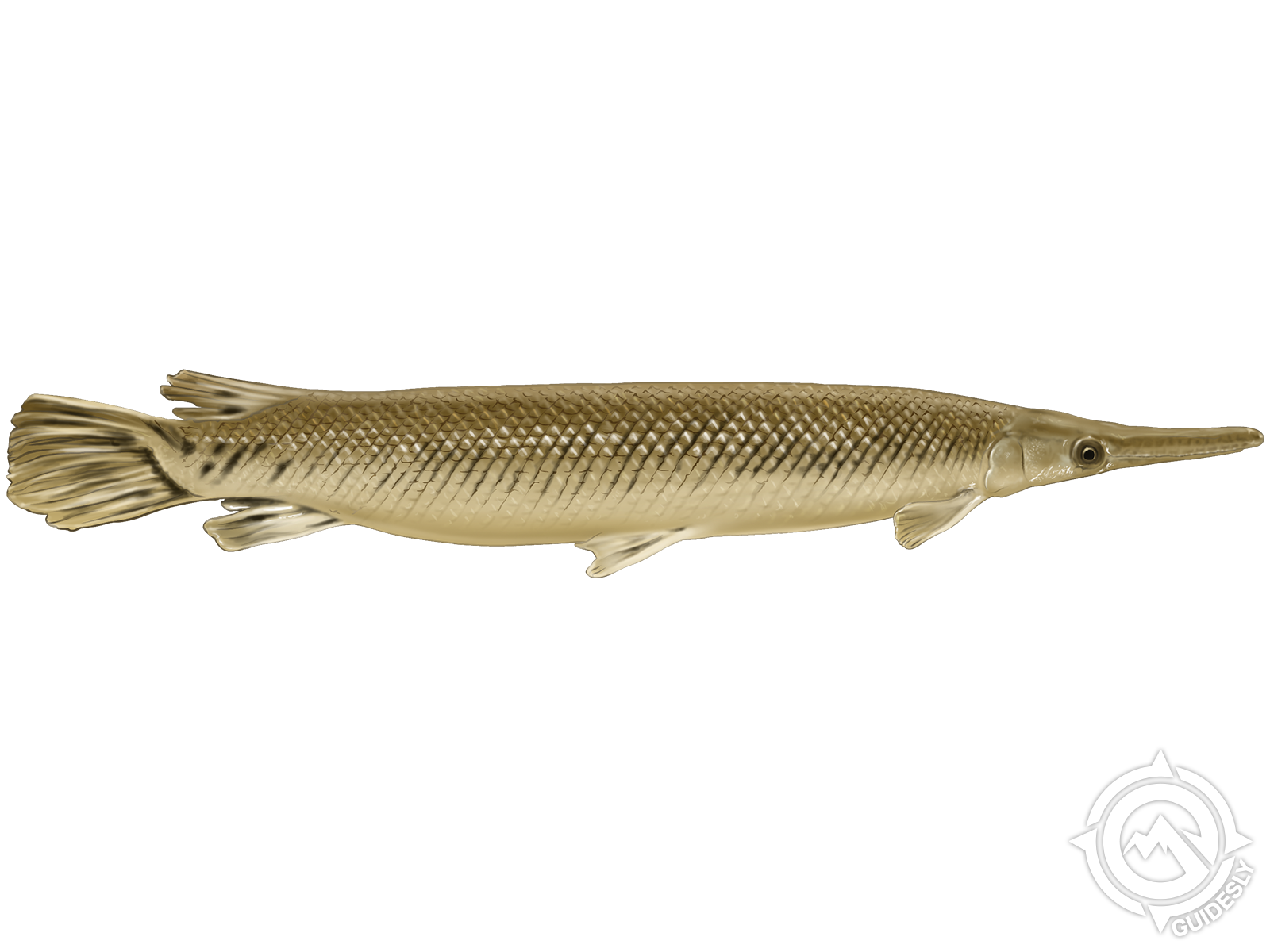 Alligator Gar
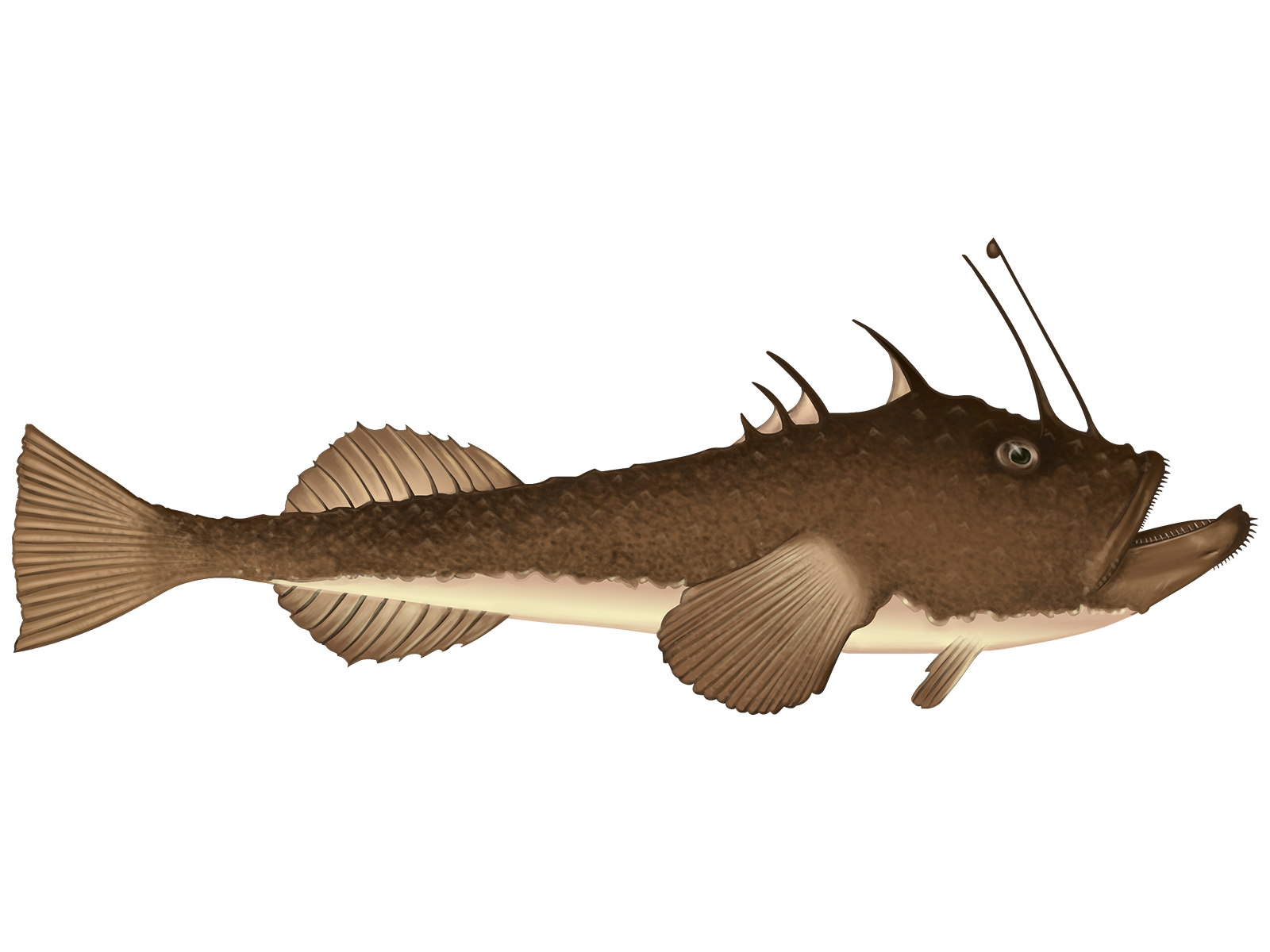 American Angler
- Full-day guided largemouth bass fishing on Lake O.H. Ivie
- All gear, tackle, and bait provided for eight-hour excursion
- Departure at dawn from Elm Creek Marina with experienced guide
Trip Pricing and Availabilities :
Private Full-Day Bass Fishing Trip
Lake O.H. Ivie has earned its reputation as one of Texas' premier bass destinations, and this private charter gives you exclusive access to its most productive waters. Starting at 6:00 AM from Elm Creek Marina, you'll spend eight solid hours with a seasoned guide who knows every drop-off, structure, and seasonal pattern that makes this lake tick. At $750 for up to two anglers, this isn't just a fishing trip—it's your chance to learn from someone who's been working these waters for years. We'll handle all the gear, tackle, and even breakfast, so you can focus on what matters most: putting quality bass in the boat.
What to Expect on the Water
Lake O.H. Ivie sits in the heart of Texas hill country, covering over 19,000 acres of prime largemouth bass habitat. The lake's diverse structure—from rocky points and submerged timber to creek channels and grass beds—creates the perfect environment for consistent bass action throughout the year. Your guide knows how to read the water conditions and adjust tactics accordingly, whether we're working topwater baits over shallow flats at dawn or dragging deep cranks along the main lake points. The boat launches from Elm Creek Marina, giving us quick access to both the upper and lower sections of the lake. Weather plays a big role in our strategy, and your guide will position us where the fish are most active based on current conditions, water temperature, and seasonal patterns.
Techniques & Tackle Strategy
We come equipped with a full arsenal of rods, reels, and tackle designed specifically for Lake O.H. Ivie's bass population. Depending on the season and conditions, we might start with topwater action using buzzbaits or spooks over shallow cover, then transition to Carolina rigs or deep diving cranks as we work the deeper structure. The lake's clear water often calls for finesse techniques—drop shots, shaky heads, and Ned rigs that can coax bites when the fish get pressured. We'll also have power fishing options ready, including flipping sticks loaded with jigs and creature baits for working the abundant timber and brush piles. Your guide will teach you how to read your electronics, identify productive structure, and adjust your presentation based on what the fish are telling us. No experience necessary—we'll match the techniques to your skill level and help you improve throughout the day.
Customer Stories
"Wonderful experience — from the smooth ride to the stunning views and exciting fishing moments, it was the highlight of my week." - sravan
Species You'll Want to Hook
Albacore Tuna aren't typically found in Texas freshwater lakes, but Lake O.H. Ivie offers something even better for local anglers. The lake's largemouth bass population is what drives most fishing pressure here, with fish ranging from schoolie size up to legitimate trophy class. These bass are known for their aggressive strikes and strong fights, especially during the spring spawn when they move shallow and become more territorial. Peak times are early morning and late evening, though overcast days can extend the bite throughout the day.
African Pompano might sound exotic, but in the context of Lake O.H. Ivie, we're talking about the various panfish species that provide consistent action when the bass bite slows down. These smaller fish often school up in deeper water and can be targeted with light tackle for steady entertainment. They're particularly active during the warmer months and make great backup targets when we're between bass spots.
Agujon Needlefish represent the lake's population of gar and other long, slender species that inhabit the shallows and grass beds. While not the primary target, these fish can provide exciting action with their explosive strikes and acrobatic fights. They're most active in warmer water and often found in the same areas where bass are feeding, making them a bonus catch during our bass-focused efforts.
American Angler refers to the mindset we bring to this fishery—adaptable, persistent, and always learning. Lake O.H. Ivie rewards anglers who can adjust their approach based on conditions, and your guide embodies this philosophy. Whether we're power fishing or finessing, the key is staying versatile and reading what the lake gives us on any particular day.
Alligator Gar are the lake's apex predators and represent some of the most exciting fishing opportunities available. These prehistoric fish can reach impressive sizes and put up fights that test both angler and equipment. They're typically found in deeper water but will move shallow during certain times of year. While not always the primary target, hooking into one of these giants creates memories that last a lifetime. They're most active during warmer months and often strike large baits intended for bass.
Time to Book Your Spot
Lake O.H. Ivie continues to produce quality bass fishing year-round, but the best dates fill up fast with repeat customers who know what this fishery can deliver. Your $100 deposit locks in your preferred date, and remember—you'll only need to bring a valid Texas fishing license and yourself. We provide breakfast to fuel your morning, plus all the gear and tackle needed for a successful day. The non-refundable deposit policy ensures serious anglers get priority access to prime fishing times. Don't wait on this one—Lake O.H. Ivie's bass population is healthy and active, and guides who truly know these waters are harder to find than you might think. Book now and get ready to experience why this lake has become a go-to destination for serious Texas bass anglers.
Customer Reviews
Week Highlight Trip

sravan Kumar
September 1, 2025
Meet the Species: What Makes Them Great
African Pompano
These silvery members of the jack family are true showstoppers, with juveniles looking like diamonds trailing long filaments that disappear as they mature. You'll find adults cruising 30-250 feet deep over reefs and drop-offs, while the young ones stick closer to shore. They're fast swimmers that can cover serious distance, and they've got a thing for anything shiny or moving - which makes them perfect targets for both live bait and jigs. The fight is what gets most anglers hooked; they're strong, fast, and know how to use that flat body to their advantage. Peak action usually comes during warmer months when they're more active in the water column. The current record sits at 50 pounds from Daytona Beach, so there's always potential for something memorable. Pro tip: when you're working jigs, vary your retrieve speed - these fish love erratic movement and will often hit right when you change up the action.

Agujon Needlefish
These long, slender fish with their distinctive pointed beaks are found in shallow waters and surface areas from Massachusetts down to Brazil. Most mature around 18-20 inches, but don't be surprised if you hook into one pushing 35 inches or even bigger - the record holder hit 5 feet and 8 pounds. They're carnivores that feed on small fish and zooplankton, often cruising near reefs and along the water column edges. You'll have your best luck during warmer months when they're actively feeding near the surface. While they're not table fare for most folks due to their green-tinted flesh, they're fun to target because they're not picky eaters - almost too eager sometimes. The key is using sharp hooks since their bony jaws can be tough to penetrate. Try shiny spoons or jerkbaits like Crystal Minnows, and always give a good hook set. Just handle them carefully when you bring them in - that pointed beak can do some damage if you're not paying attention.
Albacore Tuna
These bullet-shaped fighters run 18-25 inches and pack 20-45 pounds of pure muscle. Albacore live deep in subtropical and temperate ocean waters, traveling in massive schools that can stretch up to 19 miles wide - which makes for some serious action when you find them. They're constantly on the move since they need to keep water flowing over their gills to breathe. Spring through summer is prime time when they're spawning and feeding actively during daylight hours. What makes them special is the meat - it's the only tuna that can legally be sold as "white meat" with that firm texture and mild flavor everyone loves. Here's the trick: when trolling, keep your lures 50-90 feet behind the boat. Land that first fish quick because if it gets away, the whole school will follow and you'll lose your shot at the rest.

Alligator Gar
These prehistoric giants are the stuff of legend here in Texas waters. Running 4-6 feet long and 100-160 pounds, they look like something from the dinosaur age with their armored scales and alligator-like heads full of razor teeth. Despite their intimidating appearance, they're actually pretty passive around people. You'll find them in deeper river bends near shallow pools, especially during late summer when hot, dry weather concentrates them. They can breathe both in water and air, which makes them incredible ambush predators. The fight is what draws most anglers - pure prehistoric power that'll test your gear and patience. Best action comes with big live baits like carp or gizzard shad rigged on heavy tackle with bright bobbers. Here's the key: rig your bait about 6 inches below a 4-inch bobber using 5/0 treble hooks, and be ready to wait. Remember, these are catch-and-release only - it's illegal to keep them, but the experience is worth it.
American Angler
These flat, prehistoric-looking bottom dwellers are some of the most unique fish you'll encounter. They average around 39 inches but can push 55, with the biggest on record hitting over 70 pounds. You'll find them in deep waters, usually 1,200 feet or more, hanging out on soft, sandy bottoms where they bury themselves and wait for prey to wander by. They're ambush predators with massive mouths full of sharp teeth, and they'll eat anything from squid to rays - even birds after storms push them to the surface. The cool part is watching them "walk" along the bottom using their pectoral fins like hands. They prefer big live baits - mackerel, herring, squid work great. The trick is getting your bait right to the bottom and dragging it slowly across the seafloor. When they grab it, they don't let go easy. Just be real careful bringing them aboard - those jaws can do serious damage, so always handle them mouth-up and keep your distance.


Wonderful experience — from the smooth ride to the stunning views and exciting fishing moments, it was the highlight of my week.